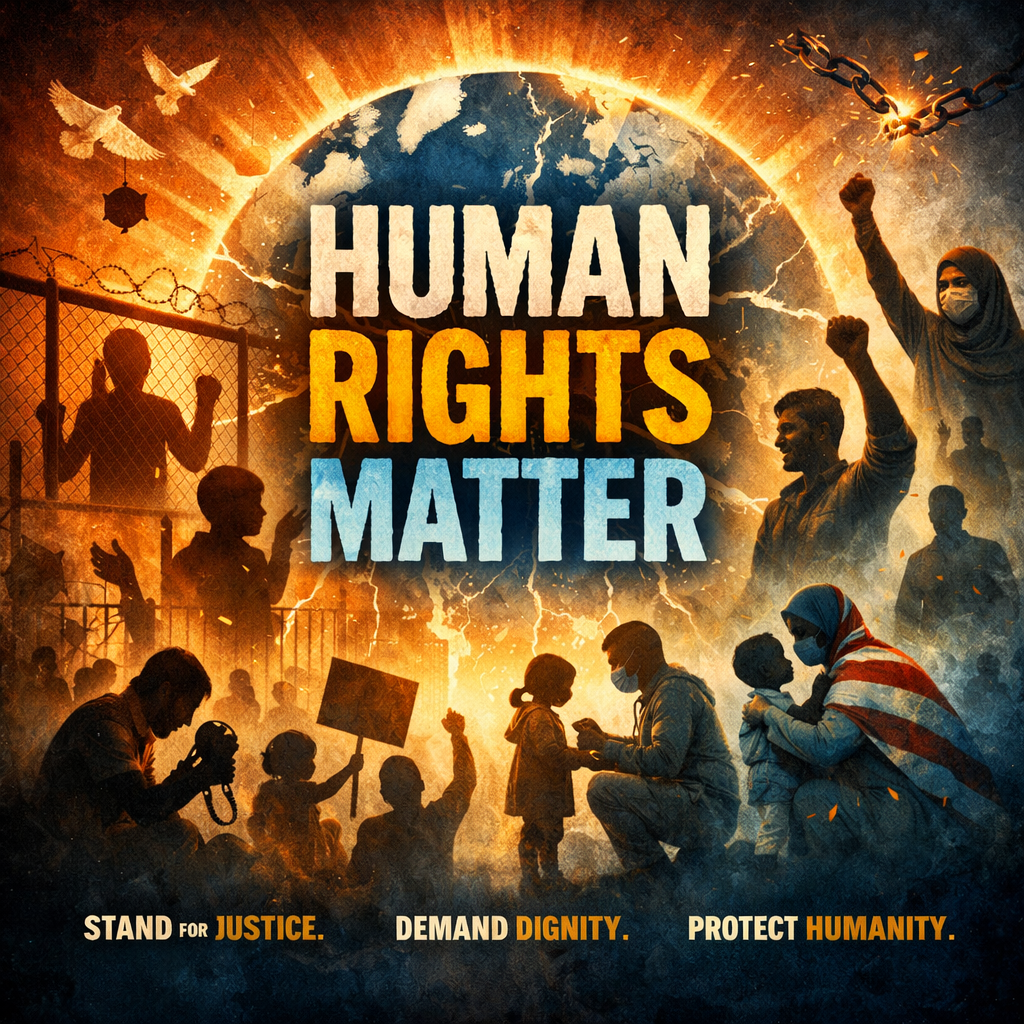
Between Borders: The Human Cost of Expedited Deportations
What if your entire life could be erased before anyone even heard your side of the story?
For many immigrants today, justice isn’t delayed — it’s denied. Behind every deportation number is a parent, a worker, a dreamer, a human being whose story may never be told.
For Maria, a single mother from Guatemala, the United States wasn’t just a place to build a better life—it was hope. She worked long hours cleaning offices, saving every penny to send back to her children, and dreaming of a time when she could live without fear. But one afternoon, that hope was shattered. Maria was detained at a routine check, accused of a minor offense from years ago. In the blink of an eye, she was swept into the “expedited removal” system—a process designed to deport immigrants quickly, bypassing traditional immigration courts.
Maria’s story is not unique. Across the country, thousands of immigrants are being subjected to this accelerated process. Individuals with minor infractions or even unverified allegations find themselves with no access to a judge, no chance to present their story, and often no clarity about their legal rights. Families are separated, jobs are lost, and entire communities face disruption.
Polling now shows that Americans are growing increasingly uneasy about these measures. It isn’t just the speed of deportation that worries them—it’s the lack of humanity. Reports from detention centers highlight poor living conditions, insufficient medical care, and limited legal resources. For many detainees, the system feels less like justice and more like punishment without trial.
The impact of these policies stretches far beyond those directly detained. Communities lose trusted workers, children grow up without parents, and social cohesion suffers. Employers struggle to fill positions, schools see the emotional toll on children left behind, and the broader society is left grappling with the moral implications of a process that prioritizes efficiency over fairness.
Yet, amid the darkness, there are lessons. First, human dignity must never be optional. Speeding up processes should not mean stripping people of their right to be heard. Second, transparency is crucial: communities and policymakers alike need access to data and stories to craft policies that balance security with justice. Third, empathy matters. Listening to the voices of immigrants, understanding their contributions, and recognizing their humanity can drive policies that are both effective and just.
Maria, after months of uncertainty, eventually reunited with her children thanks to legal advocacy and public support. But countless others are still trapped in a system that favors bureaucracy over compassion. Her story is a stark reminder: behind every policy are human lives, hopes, and dreams.
As citizens, as neighbors, and as a global community, we are called to question the systems that treat justice as optional. We are reminded that policies aren’t just words on paper—they shape families, communities, and the very essence of fairness in society.
When speed replaces fairness, we don’t just lose due process — we lose our humanity.
Lesson learned: Justice cannot be rushed, dignity cannot be sacrificed, and humanity must remain at the heart of every decision. Every immigrant’s story is a lesson in courage, resilience, and the moral responsibility we share to protect human rights.