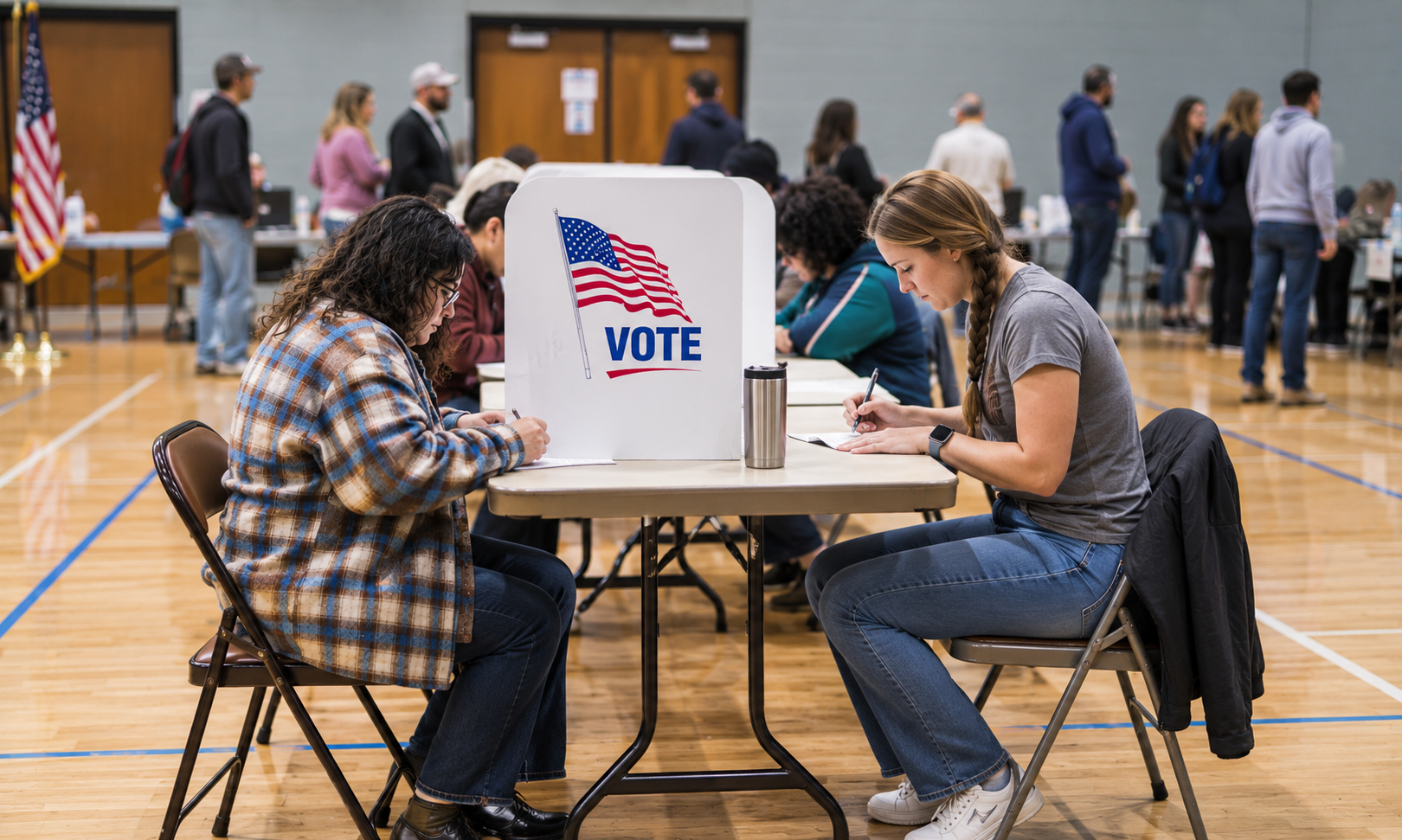
November 3, 2026, is more than another election. It is a defining moment for American democracy, immigrant leadership, and millions of families building their futures in the United States.
As an immigrant, I look at America's midterm elections differently.
I see more than Republicans versus Democrats. I see a country deciding how it wants to be governed, whose voices deserve attention, and what opportunities future generations will inherit.
President Donald Trump faces a major political test. The outcome will influence his final two years in office, the balance of power in Congress, and the direction of American politics heading into 2028.
BUT HISTORY TELLS US SOMETHING IMPORTANT.
In American politics, the president's party has historically tended to lose congressional seats during midterm elections, regardless of whether Republicans or Democrats occupy the White House.
Political scientists describe one explanation as the "referendum model."
The idea is simple. Midterm elections give Americans an opportunity to judge the president's performance. When voters feel frustrated with the economy, government decisions, or the direction of the country, they often express their dissatisfaction by voting against the president's party.
The result? The governing party loses influence in Congress, opposition lawmakers gain leverage, and the president faces greater scrutiny during the remaining two years of the term.
But this historical pattern is not guaranteed. Every election is shaped by its own candidates, issues, and voters.
AS IMMIGRANTS, WHY SHOULD WE CARE?
Because decisions made in Washington reach our homes, workplaces, schools, businesses, and communities.
Immigration policies affect family unity, employment opportunities, legal pathways, and the lives of people who have spent years contributing to this country.
Healthcare decisions affect immigrant nurses, doctors, caregivers, and the patients they serve.
Economic policies affect immigrant entrepreneurs, workers, homeowners, and parents trying to create better futures for their children.
We are not simply subjects of political debates. We are part of America's social and economic life.
IMMIGRANT LEADERSHIP IS AMERICAN LEADERSHIP.
Across the United States, immigrants are building businesses, employing workers, advancing research, educating children, and serving communities.
Some are naturalized citizens with the right to vote. Others are permanent residents, students, workers, or families whose voices matter in public conversations even when they are not eligible to vote.
Our communities hold different political opinions. We do not all support the same candidates or parties.
But we share an interest in fair opportunities, responsible government, safety, dignity, and a future where hard work has meaning.
Will America's next Congress focus on solving everyday problems?
Will elected leaders address rising living costs, housing, healthcare, employment, and immigration reform?
Will they recognize immigrant contributions while engaging seriously with questions about border security and the rule of law?
And will immigrant communities move beyond watching political debates to becoming stronger voices in civic leadership?
As immigrants, we should not wait for politicians to define our place in America.
We should tell our stories, engage our communities, understand the issues, mentor young leaders, and hold public officials accountable.
A MESSAGE FROM IMMIGRANT NATION PODCAST
America's immigrant story is not separate from America's national story.
It lives in hospitals, classrooms, small businesses, neighborhoods, and families working toward a better future.
Tomorrow, eligible voters will help decide the direction of Congress. Whatever the outcome, our responsibility to strengthen our communities continues.
Are immigrants receiving a fair voice in America's political future, or are we still being discussed more often than we are being heard?
Share your thoughts in the comments.
Follow Immigrant Nation Podcast for meaningful conversations about immigration, leadership, opportunity, identity, and belonging.
America's future should be measured not only by who holds power, but also by how responsibly that power serves the people.